Industries Served
Anodizing Wastewater Treatment & RO/DI Water Purification
Quick Read
If your business deals with the process of anodizing aluminum, you need the best deionized water available. Besco Commercial Water Treatment offers a range of services equipped to streamline your anodizing process, including:
…and more. Our expert water treatment professionals can build a water system to your specifications.
Besco can help you create water solutions for your anodizing process that won’t fail and can save your business money in the long run. Call us at 833-871-3850 or fill out our online contact form to talk to a water treatment expert today.
People see, touch, and benefit from anodized metal every day. Anodizing metal gives it a protective film, making it durable and resistant to rust. That’s why anodized metal is found in countless everyday items from cookware to keyrings.
Many shops are interested in providing anodizing services. However, to adequately do this, these shops need a large amount of quality water.
At Besco Commercial, we provide commercial water treatment solutions to a wide variety of customers throughout the United States who make anodized parts for automobiles, airplanes, and other manufacturing sectors.
The best results come from the best process, and access to quality water is an essential part of that process. Deionized water is essential for anodizing because it leaves a long-lasting, flawless finish. You can avoid blemishes in the final material by using purified water for creating solutions, rinse baths, and drag-out baths.
What Is Anodized Water?
Anodizing is a process that subjects metal to electrolytic action. In simple terms, a current is passed through a metal part as it soaks in a bathtub of water. Here’s an overview of the entire process:
- The metal becomes an electrode, or anode, and a chemical change occurs.
- Tiny pores open up in the metal, allowing a new bond to form.
- Oxide penetrates the surface and builds upon it.
- The coating gives the material added thickness and durability, and the pores allow dye to seep in.
Aluminum, stainless steel, and titanium can all be anodized. However, aluminum alloy is the most common material used. Depending on the type of anodizing process used, the added thickness can be as little as 20 to 100 microinches (0.000002 to 0.00001 inch) or as much as 0.006 inches. However, the thin coating goes a long way and allows the anodized metal to withstand abrasion, extreme wear, and wet conditions. Anodizing makes the material corrosion-resistant, as is the case with garden tools.
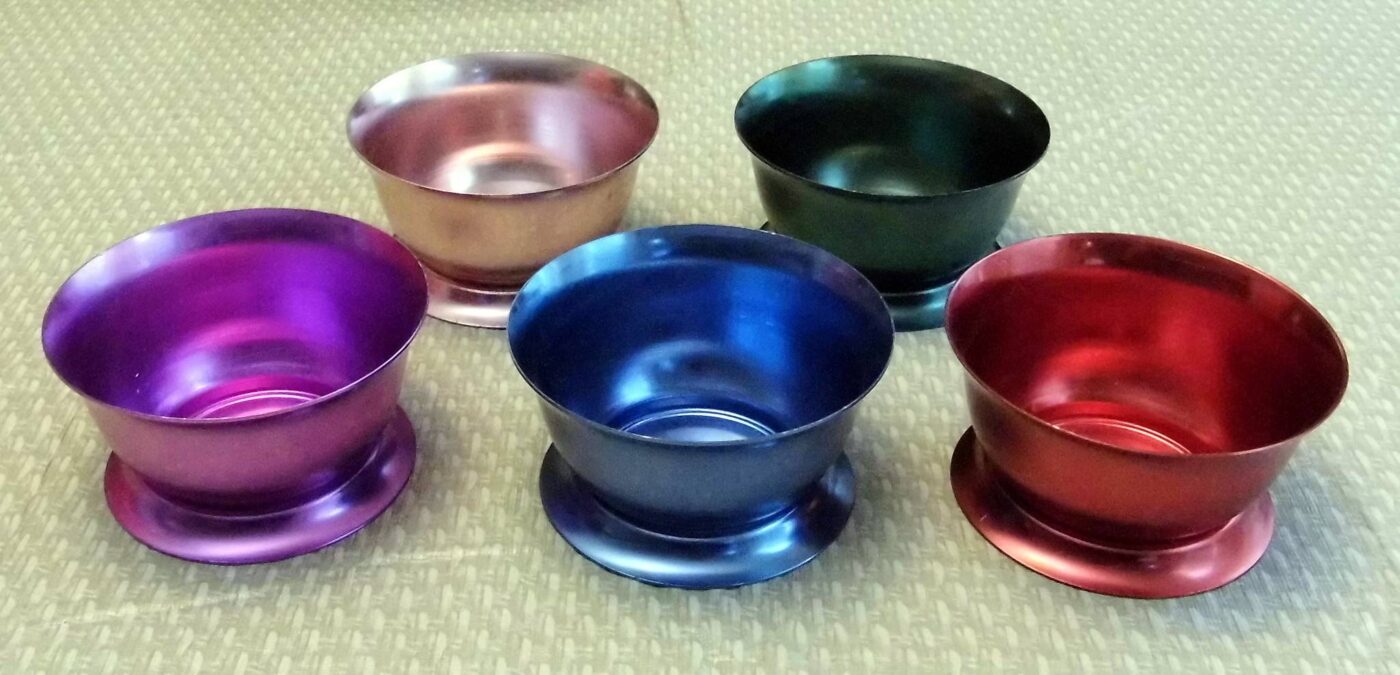
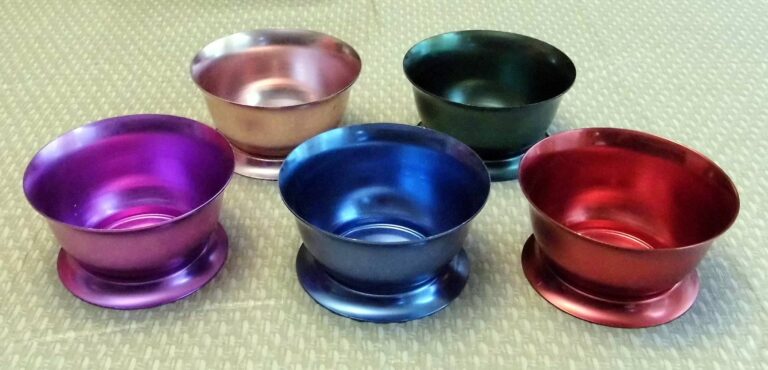
Sometimes, anodizing is used for decorative purposes. Anodizing allows the metal to take on a flamboyant color that won’t fade. For example, think of a metal carabiner – the kind you’d see used as a key ring on a building superintendent’s belt loop. If you’re picturing shiny blue or red metal, that is an anodized surface.
Deionized and Reverse Osmosis Water Systems for the Anodizing Process
Anodizing uses a lot of water and presents considerations for shops. When aluminum is anodized, it is soaked in a chemical solution, such as sulfuric acid, and then a sealer. Afterward, the part is run through clean rinse water to remove residue. There is a need for high-quality water at each stage in this operation.
The Risks of Using Untreated Tap Water
Some people may cut corners, using tap water or non-purified water in the anodizing process. This can lead to suboptimal results. Water from the public supply may contain calcium, magnesium, sodium, silicic acid, or iron, manganese, copper, lead, or other dissolved solids.
Some dissolved solids can cause pitting and staining on anodized metal. Silica impairs the sealing process, and hardened salts may dry out on the work. Furthermore, chlorine in water corrodes aluminum. If you don’t use pure water, your finished product may not have the shine or the quality you or your customers have come to expect.
Optimizing the Process with DI and RO Systems
The better the water, the better the dying and sealing. You may use distilled water for anodizing, but that is an expensive prospect because of how much water is needed. Instead, we recommend:
- Deionized Water: Deionized (DI) water is a recommended type of water to use in the anodizing process. DI water has little or no TDS, or total dissolved solids. Besco can provide you with bulk DI water or DI Water Exchange Tanks.
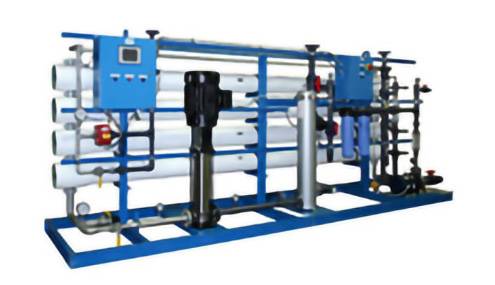
- Reverse Osmosis: Reverse osmosis systems are also effective in the anodizing process. This is because they create a very pure form of water using pressure and a semi-permeable membrane to remove dissolved solids.
Combining deionized water with a reverse osmosis system will produce incredibly pure water. The deionization system reduces the conductivity of the RO water by removing trace minerals and charged ions from the water.
Our water treatment systems are designed to your specifications. We’ll need to know the average weekly volume and peak requirements. If we are setting up an ion exchange tank system, we will also need to know the makeup of the local water supply. We can learn this through a free water analysis.
Wastewater Treatment and Rinse Water Recovery
Anodizing isn’t just about the water coming in. It is also about managing the water going out. The anodizing process produces wastewater containing sulfuric acid, dissolved aluminum, and other metals. This effluent generally cannot be sent to the drain without proper treatment.
Besco Commercial helps shops navigate this by designing anodizing wastewater treatment systems. We build solutions that neutralize acidity and remove heavy metals/solids, ensuring your discharge meets all local environmental regulations and keeps your facility compliant.
Recycling Rinse Water with RO/DI
To reduce water bills and waste volume, many shops are moving toward “closed-loop” systems. Instead of treating water just to discharge it, we can use Reverse Osmosis and Deionization (RO/DI) to purify your used rinse water.
This process removes “drag-out” chemicals and contaminants from the used water, allowing you to recycle it back into the start of your process. By purifying and reusing your rinse water, you significantly lower your monthly utility costs and reduce the burden on your local water treatment facility.
Whether you need a simple discharge system or a custom-designed recycling loop, our engineers can build a solution tailored to your shop’s specific flow rates and chemistry.
Get a Free Quote From Besco Commercial Water Treatment Today
The commercial water experts at Besco have more than 200 years of collective industry experience designing industrial water treatment systems for manufacturers like you. Our WQA-certified experts will be able to recommend a solution for your needs.
Call 833-871-3850 or complete our online contact form to get started.